
Chemical engineering began as ‘Industrial Chemistry’ in 1915 and was an early branch of the chemistry department––which had been established in 1883, the same year the University was founded. Chemical engineering split from chemistry to become part of the College of Engineering in 1938 due to needs of a rapidly industrializing Texas.
FROM CHEMISTRY TO CHEME – THE TIN SHACK STORY
In 1892, the University opened its third building on campus, the Chemistry Laboratory, with a $25,000 appropriation from the state. The laboratories previously took up residence in the basement of UT Austin’s original Old Main building. As enrollment grew and demand for lab space increased, permanent facilities quickly became overcrowded, fires and odors were of great concern. A short circuit in the building’s aged wiring, by then known as the Old Chem Lab, started a blaze in October 1926. When the fire reached stored chemicals, it accelerated resulting in a series of colorful explosions. The building was toast.
To accommodate a growing campus community, temporary buildings popped up during the first half of the 20th century. UT had begun constructing a series of wood and tar paper structures, or shacks, to keep up with expanding instructional and research needs. They were used for many purposes: housing, classrooms, cafeterias, gyms, and as an inexpensive way to move malodorous laboratories out of permanent buildings.
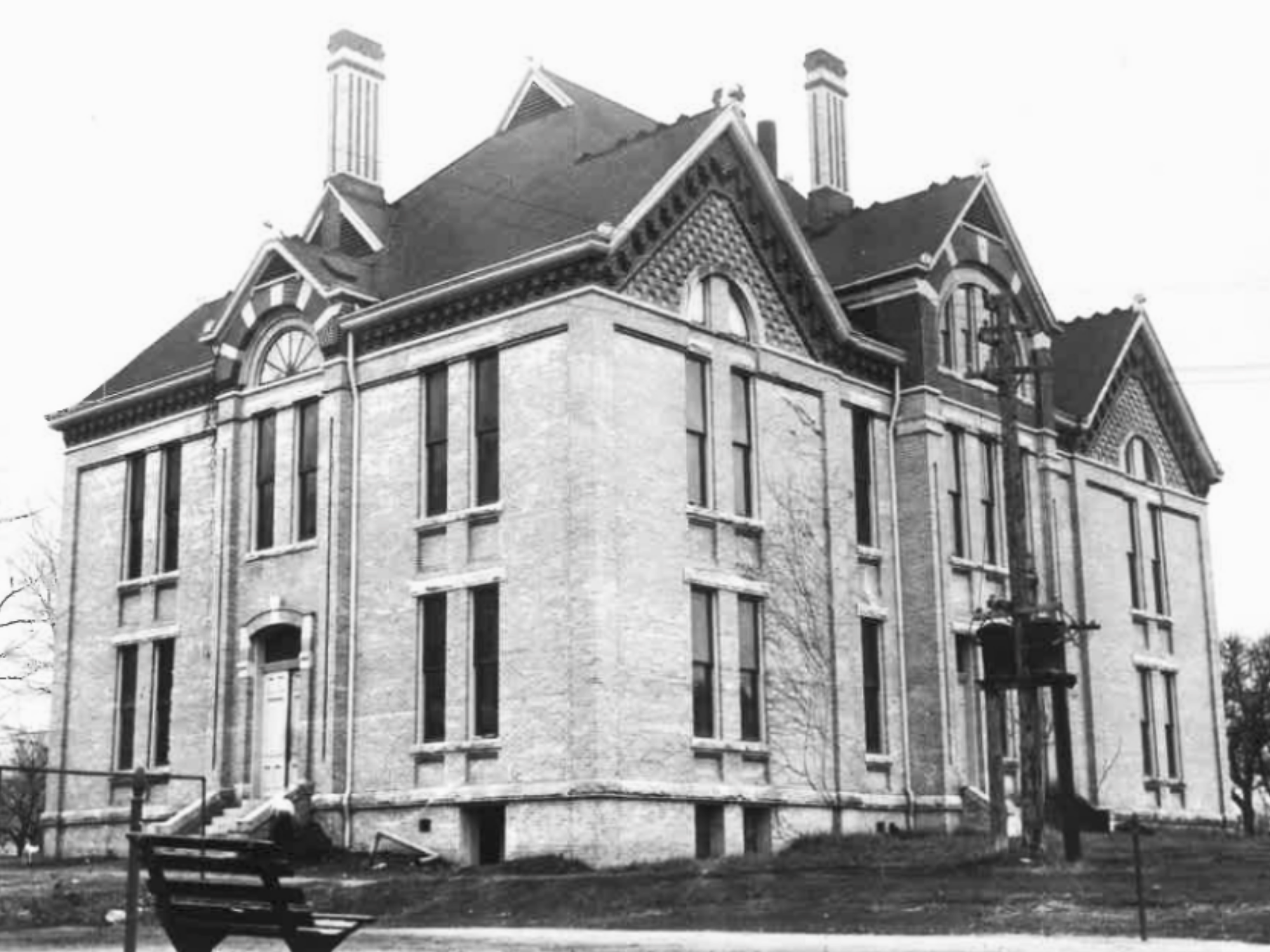
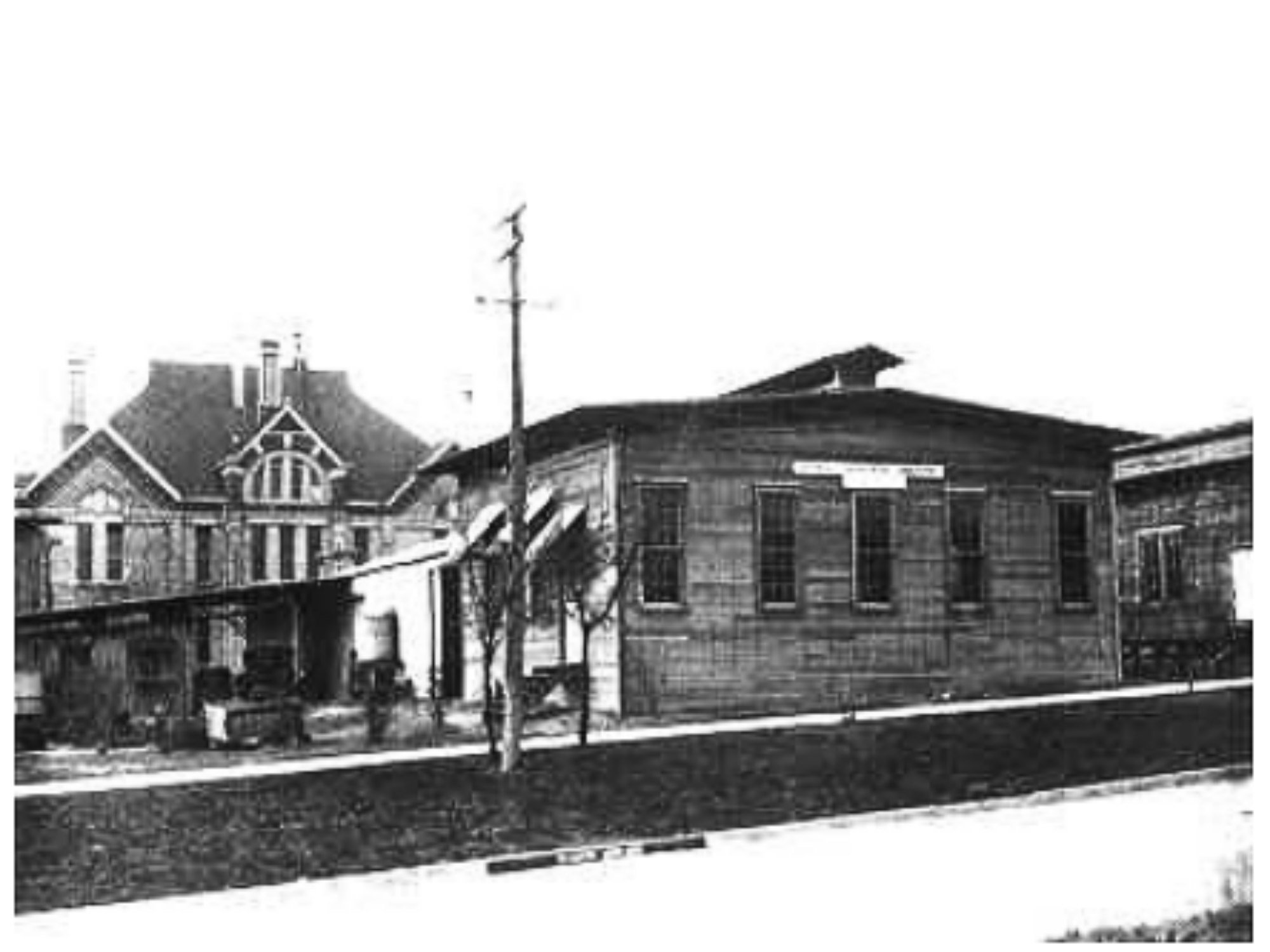
(Left): The Chemical Laboratory (Old Chem Lab) opened in 1892. (Right): E Hall, known as the “Tin Shack,” housed the chemical engineering laboratory in the 1920s. Old Chem Lab is in the background.
One of the first, C Hall, built in 1911, was used as a first-year chemistry laboratory. Shortly thereafter, chemical engineering lab practices began in a tin shack known as E Hall, near current Painter Hall, and in front of where Old Chem Lab once stood. That first phase of “shackitecture” ended in 1935 when the last original shack was torn down. Next to what is now the E.P. Schoch Building (EPS) on Speedway, Dr. Schoch’s chemical engineering building was where early research on acetylene conversion was carried out.
THE MIDDLE AGES
By the thirties, chemical engineering had grown far beyond its origins and had begun moving into more modern facilities. In 1931, a new chemistry building opened, designed with advanced features including natural gas, steam, distilled water, and compressed air lines in every lab. This building housed the chemical engineering departmental offices as well as the “Big Lab” which had a traveling crane for equipment. *In 1974, the Chemistry Building was renamed Welch Hall in honor of Houstonian Robert Alonzo Welch, oilman and philanthropist.
By 1942, construction of the department’s first dedicated building began on the East Mall. The department finally gained its first true building, moving out of the shacks and shared laboratory spaces. In 1969, that original chemical engineering building was renamed E.P. Schoch building (EPS) in honor of Professor E.P. Schoch, “godfather of chemical engineering in the southwest” and the department’s founder. It now houses the Department of Earth and Planetary Sciences, the Jackson School of Geosciences and the Environmental Science Institute.
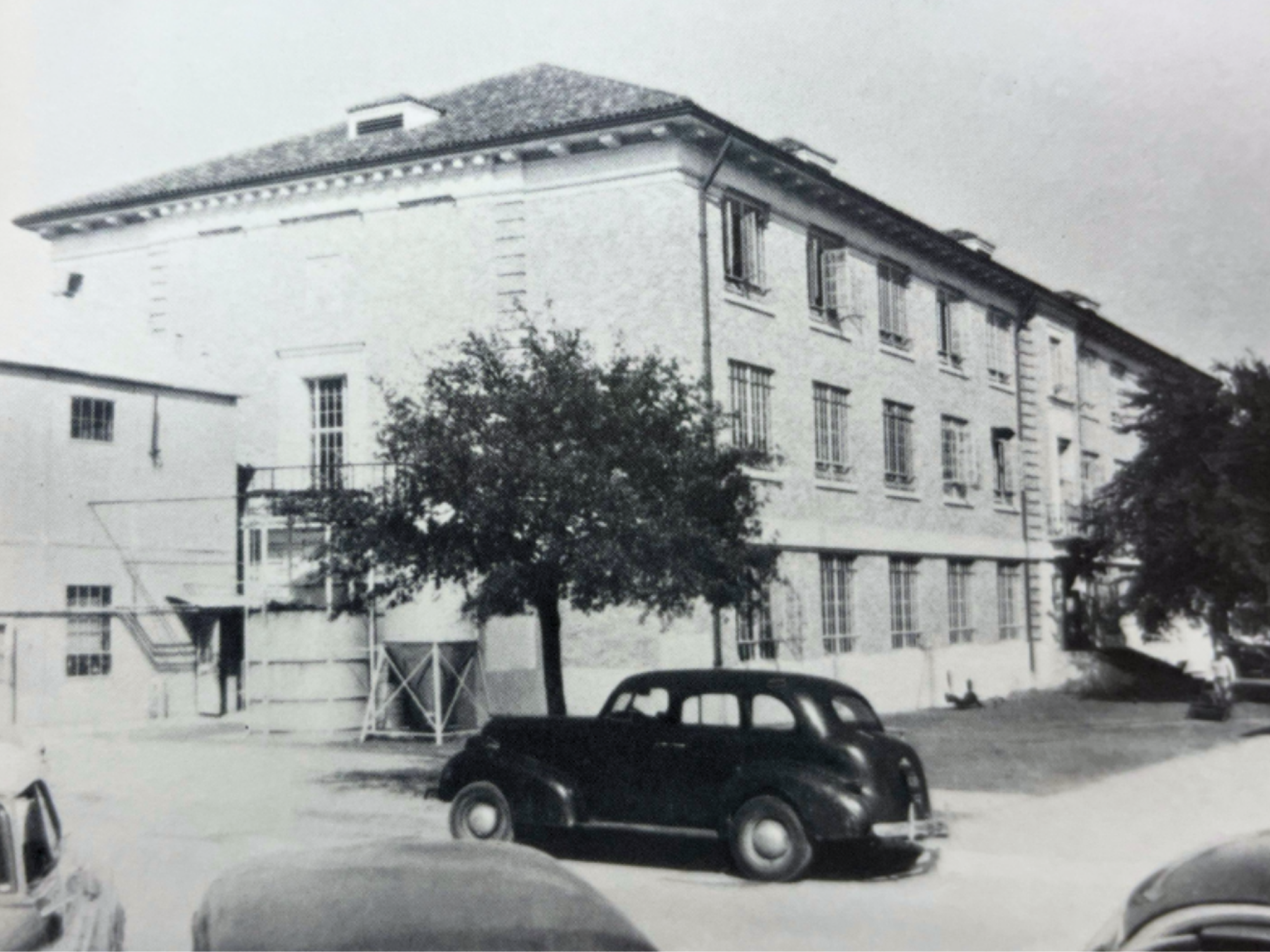
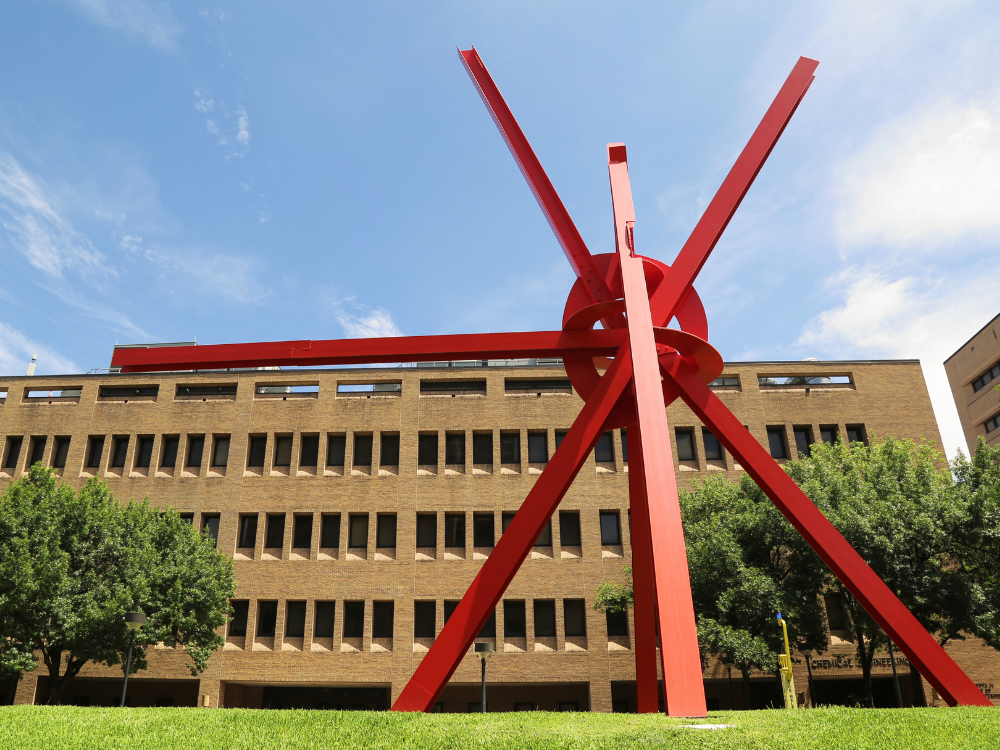
(Left): The Chemical Engineering Building (now EPS) with Schoch’s acetylene shed to the left. (Right): The current home of Texas ChE, built in 1986.
As the department expanded and research needs grew more sophisticated, a larger and more modern space became necessary. In 1986, chemical engineering moved into the Chemical and Petroleum Engineering building (CPE) across Dean Keeton, where many of the department’s living alumni spent countless hours in its classrooms and lab spaces.
A FRESH START
More than 30 years would pass before the construction of the Engineering Education and Research Center (EER) would be completed in 2017, in what is now the engineering quadrant on campus. It serves as the hub for the Cockrell School on Engineering. The Gary L. Thomas Energy Engineering Building (GLT) was completed in 2021 and serves as a multidisciplinary hub for education, research and innovation.
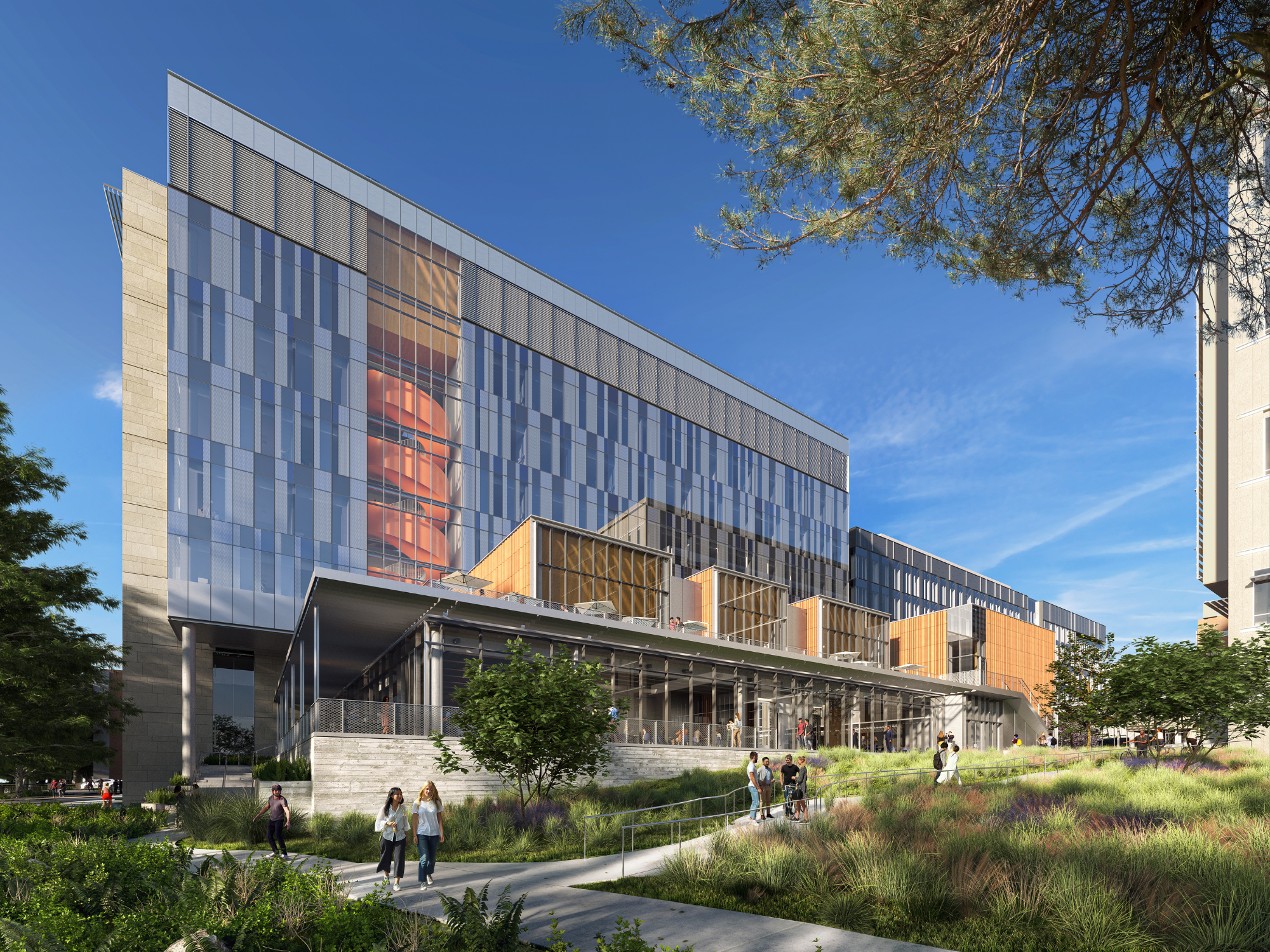
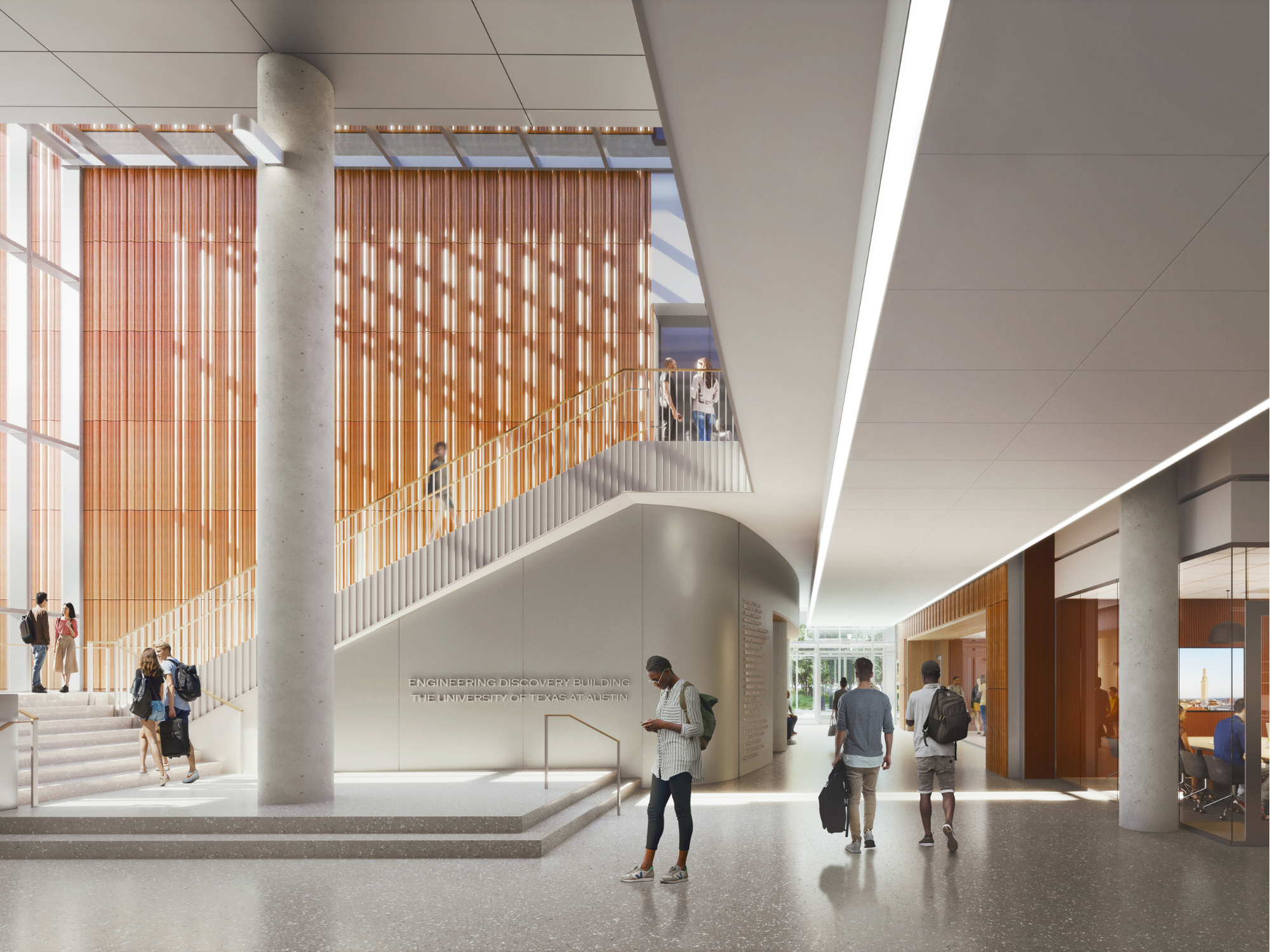
(Left-Right): The new Autry C. Stevens’ Engineering Discovery Building (ACS). Architectural renderings provided by CO Architects.
The University’s continued investment in pioneering research is symbolized most recently with the newly named Autry C. Stephens Engineering Discovery Building (ACS), through a gracious posthumous donation from the Stephens Greth Foundation, led by Lyndal Stephens Greth, Stephens’ daughter. The facility, which will connect to the GLT by a catwalk, will house both the McKetta Department of Chemical Engineering and Hildebrand Department of Petroleum and Geosystems Engineering , reflecting historical ties between energy research and UT’s engineering advancements.
Along with dedicated classroom and lab space for each department, the shared green energy features will make ACS shine. Fume hoods will have automatic sashes that close if motion isn’t detected. Motion detectors in rooms will regulate heating and cooling and adjust when empty. Outlets are on timers. Exterior windows are treated with tinting and patterns to reflect or absorb outside energy as needed. The classroom wing will feature a green, living roof–a cooling feature that’s, well, pretty cool.
The McKetta Department of Chemical Engineering has always embodied a spirit of progress, a sentiment that defines the University itself. The same curiosity and drive that guided the Big Lab and the shacks that came before it, will now power advanced research in a state-of-the-art facility.
Learn more about the building and its progress here.


