Class of 2026: Where are they Headed?
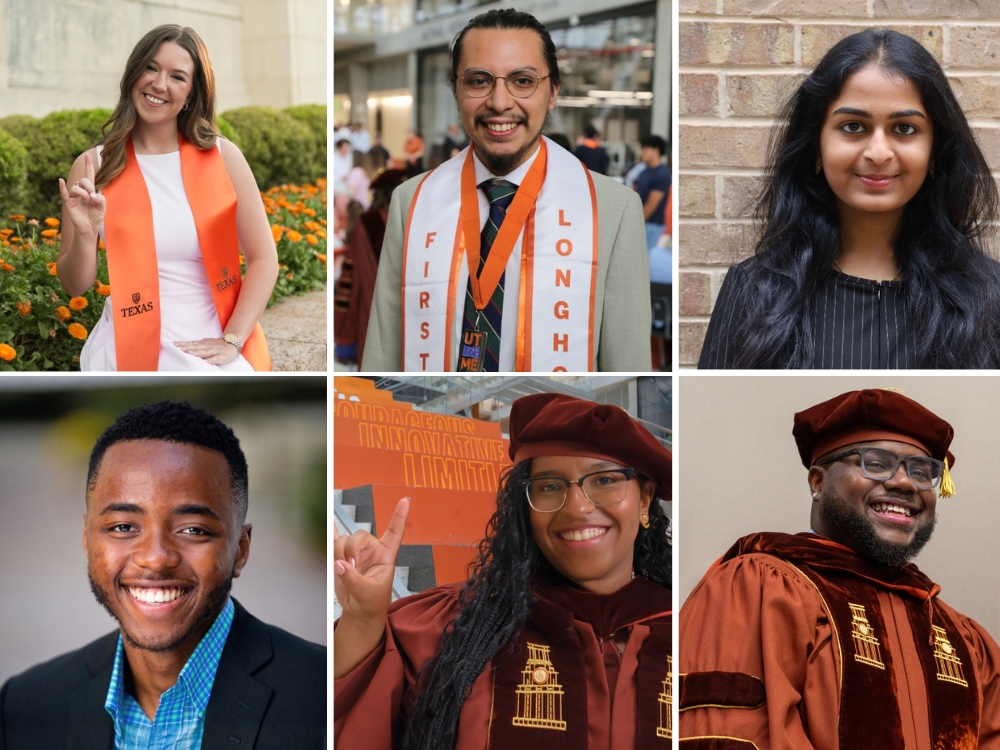
We connected with six recent graduates from our undergraduate and Ph.D. programs and asked… where are YOU headed? From academia to industry, they discuss their future and what they’ll remember most about Texas ChE.
Brooke Brown
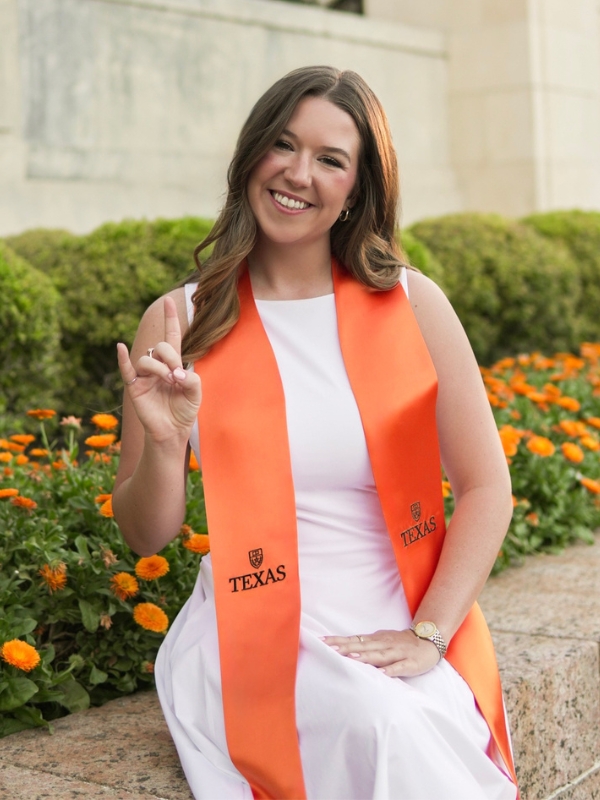
Undergraduate | Dallas, Texas
Q: Tell us about your time here, and how did you get involved at UT?
I started at UT in 2021 in the College of Education and transferred to the McKetta Department in 2023. Being a transfer student, it was important to get involved. Working in the undergraduate advising office as a peer advisor and grader for Dr. Edison’s CHE 372 reactor analysis and design course was a special experience. I enjoyed getting to know students through helping them plan their courses–up to their graduating semesters–and offering insider advice as someone who has taken all the courses.
Q: What are your plans after graduation?
I will be working in the semiconductor industry as a quality engineer for Texas Instruments at their new fab in Sherman, TX. I am super excited about getting to start my career there, because I interned there in the summer of 2025 with the same role and the same team during their startup phase. I had a really great experience at TI and put into practice what I’d learned in the classrooms and teaching labs, solving real problems in a manufacturing setting. I can’t wait to be back starting full-time in August.
Q: What will you miss most about the McKetta Department of Chemical Engineering?
This may be controversial, but I love the CPE. I know the department is getting a brand-new building to call home this fall, but there’s something special about CPE. Since we only have 1 main hallway leading to classrooms, every time I’m in the hallway I see at least one familiar face or a professor, which usually leads to a chat. The computer labs feel like a home base in between classes, you could totally tell when there was a big exam the next day, or a big project due if it was busier than usual. The fun lab and senior labs being in the basement took some time to grow on me, but some of my favorite learning moments were in those spaces. The lawn outside next to the clock knot statue was always a great place to unwind before evening exams or while eating lunch between classes. Overall, I feel like the building itself played a huge role in giving students a place to learn, work, and connect.
Q: Your most memorable moment at UT…
During a lecture on fluid flow through control valves in the CHE 319 maymester, Dr. Edison noticed that we didn’t really have a good understanding of what a valve is, looks like, or how it works. He asked us if we’d ever seen a valve before, we all said no and if we finished our practice problems early, we could go on a “field trip” to see a valve. With 10-15 minutes to spare that day, he took us all downstairs to look at the display of valves on the wall outside of the senior lab. I had never been downstairs before. Seeing the different types of valves helped me understand how they manipulate the flow of fluids through a process, and why you might want to use different valves for different applications. We also looked around at some of the experiment set-ups in the senior lab to give context to other things we had learned. It was such a fun break because our lectures were around 4 hours long and it was near the end of the course, so this was the perfect morale boost for us.
Ezra Lopez
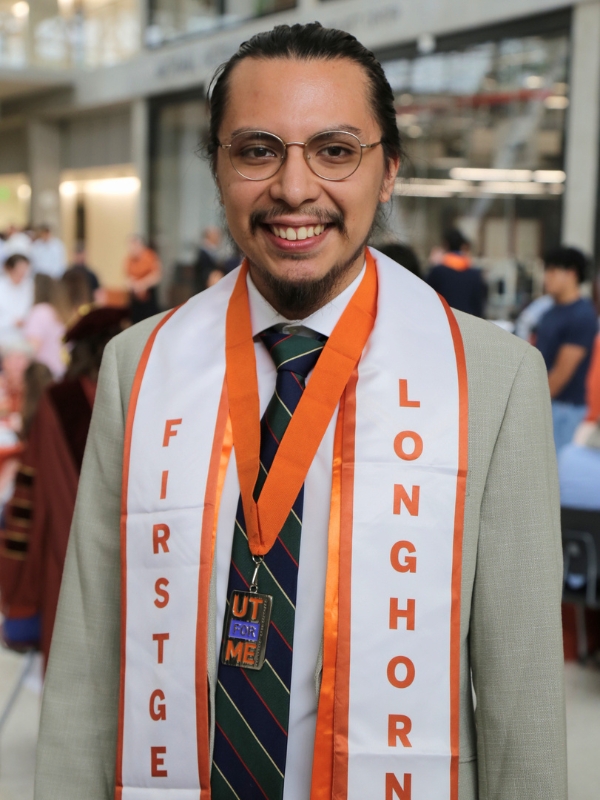
Undergraduate | Houston, TX
Research Lab: Maynard Lab, Yin Lab and Peppas Lab
Q: Tell us about your time here, and how did you get involved at UT?
Being a first-generation student, I was initially intimidated by the scale of UT in every sense of the word. But as I worked my way through my engineering degree, I learned to take risks and discovered research to be a path for intellectual self-development.
Wanting to satisfy evolving curiosities in biochemical engineering and nanomedicine; I was given the opportunity to join Dr. Maynard’s lab to work on a computational antibody engineering project for the entirety of its duration. I grew increasingly interested in the use of polymers for drug delivery and immunotherapy applications, a topic I was able to explore experimentally and through literature reviews in Dr. Yin’s and Dr. Peppas’ labs, respectively. As an aside, upon recently tutoring biochemical engineering, I cemented my passion in engineering education and aspire to become a chemical engineering researcher and lecturer in the future.
Q: What are your plans after graduation?
I am pursuing a Ph.D. in chemical and biomolecular engineering at Rice University. My focus will center on engineering polymer-based drug delivery applications that will strategically combine soft-matter physics insights with translationally promising therapeutic modalities.
Q: What was your most challenging ChE project or assignment, how did you persevere?
CHE372 chemical reactor analysis and design, with Dr. Edison, was likely the most intense and challenging course I took. However, in retrospect, it was actually a great experience that formed a community of smart and supportive friends who helped me solidify my understanding of chemical engineering. Moreover, it inspired me to formulate more involved biochemE problems that I incorporated later into Dr. Maynard’s CHE338 biochemical engineering course.
It goes without saying that managing my time with research duties was another layer of added responsibility, however I was able to perform well and went on to win a Merck Fellowship supporting my research for the following summer in Dr. Maynard’s lab.
Q: What one suggestion would you give to incoming First Year students?
Be ambitious and make the most of their experience at UT. Despite my initial self-doubt and fears, I discovered that there are people here who will invest in you as long as you put your best foot forward. Go to recitations, be strategic in your studies, find safe and healthy spaces for self-care, and learn to separate your self-worth as much as possible from your results and outcomes.
Q: What will you miss most about The McKetta Department of Chemical Engineering?
Despite it being something I initially thought I would never say, I will indeed miss the CPE building which will now be historically replaced by the new ACS Engineering Discovery Building. It somewhat poetically represents the transition in my life from a difficult period filled with its own challenges to a new stage of continued actualization and discovery.
Anupama Subramanian
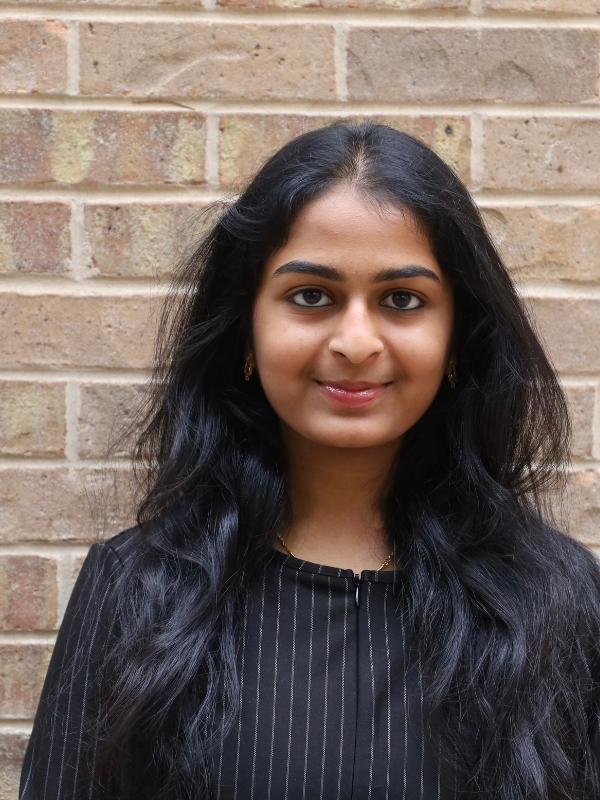
Undergraduate | Austin, Texas
Research Lab: Alper Lab
Q: Tell us about your time here, and how did you get involved at UT?
Growing up in a Longhorn family, having the opportunity to study chemical engineering at UT was exciting. I loved being able to stay close to my family in Austin while pursuing my research and academic interests. In particular, I have enjoyed working in the Alper lab for the past few years, this research experience will be fundamental towards my future Ph.D. Being a member and service chair for OXE was also an integral part of my undergraduate experience.
Q: What are your plans after graduation?
I am very fortunate to be starting my Ph.D. in chemical engineering at MIT as a Presidential Fellow and recipient of the National Science Foundation Graduate Research Fellowship Program (NSF GRFP).
Q: Your most memorable moment at UT…
I still remember the first time I met Dr. Alper and my graduate student mentor, Morgan Martinez. At the time, I was excited to join the lab, but I didn’t fully understand how important this moment was. Looking back, I can’t imagine my undergraduate experience without this lab. Working there was crucial for graduate school but also shaped my research interests.
Q: What was your most challenging ChE project or assignment, how did you persevere?
I had an exam review session at 8:00 AM, with the exam at Noon. I was not feeling well that morning and missed the review session. I remember being very nervous that I would not be ready for the exam, but many of my amazing peers and friends stepped up and taught me the material right before the exam. It was at this point that I realized I was surrounded by a driven group of future engineers and a community of lifelong friends.
Q: What will you miss most about The McKetta Department of Chemical Engineering?
I will miss the faculty, who spent countless hours providing me with advice for graduate school applications and answering my questions. I will miss my graduate student TAs and research mentors who have invested so much time teaching us. I am going to miss all of the undergraduates, who work hard to support each other and ensure everyone succeeds together. I will miss our advisors and staff members who helped me plan out my graduation timeline. Needless to say, it would be impossible for me to graduate a year early and start my Ph.D. without having the support of such an amazing community at UT.
James Obute
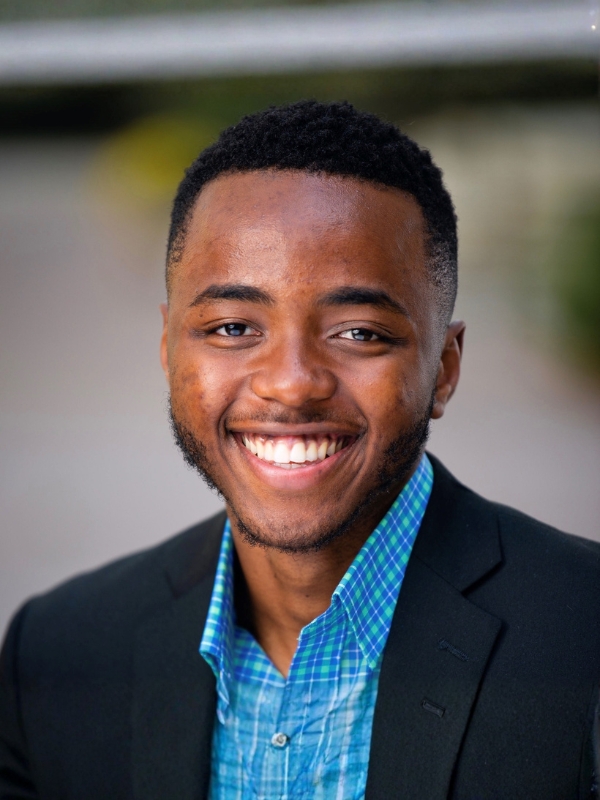
Ph.D. Graduate | Lagos, Nigeria
Research Lab: Rochelle Group and Manthiram Group
Q: Tell us about your time here, and how did you get involved at UT?
My time has been transformative. I was involved with the graduate underrepresented minorities (GUM) as Tau Beta Pi Liaison.
Q: What’s next for you?
A career in the energy field, in carbon capture technologies, energy storage, and renewable energy.
Q: Your most memorable moment at UT…
My most memorable moment at UT was traveling to Banff with Dr. Rochelle and members of the Rochelle research group. Hiking a mountain in the snow was very fun, and we attended a carbon capture conference after.
Q: What was your greatest ChE challenge, how did you persevere?
My greatest challenge was building the high temperature cycling reactor (HTCR) when I first joined the Rochelle group.
Q: What will you miss most about The McKetta Department of Chemical Engineering?
The level of academic rigor and excellence in this department. It is truly a top chemical engineering program.
Meron Yishaak Tadesse
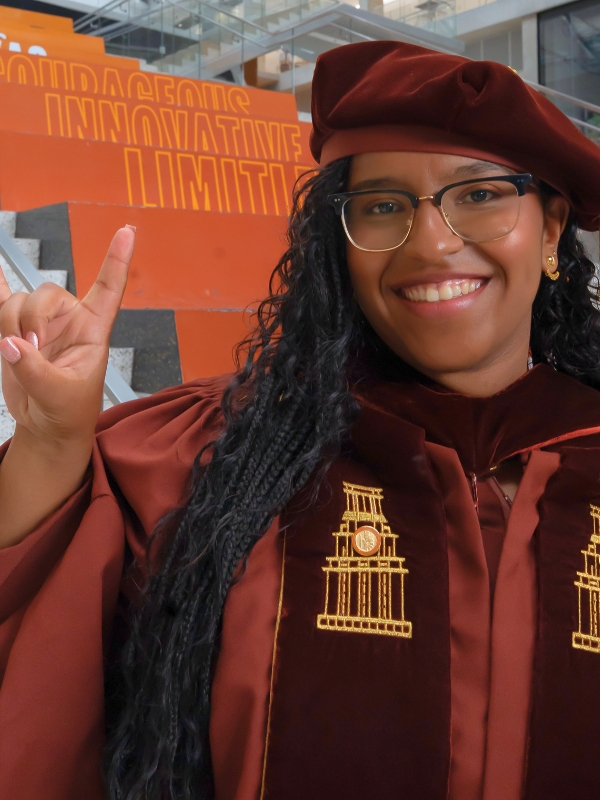
Ph.D. Graduate | Addis Ababa, Ethiopia
Research Lab: Ganesan Research Group
Q: Tell us about your time here, and how did you get involved at UT?
These past five years have been some of the most reflective and transformative years of my adult life. Early in my program, I served as a recruitment chair where I helped represent UT. Engaging with, and getting to know, the next generation of UT scholars was incredibly meaningful and impactful.
Later, I participated in UT’s STEM MUSE mentorship program for women and underrepresented genders, an experience that further reinforced the importance of community and support in academia. Throughout my Ph.D. journey, I was fortunate to have mentors who guided and encouraged me along the way. In turn, I found great fulfillment in giving back by mentoring an undergraduate student and, over time, becoming a mentor to younger students within my research group. Supporting others through challenges I once faced myself became one of the most rewarding aspects of my graduate experience.
Q: What’s next for you?
I am excited to begin the next chapter of my career at Dow as a Senior Research Specialist at the Lake Jackson, TX campus. I am looking forward to applying the skills and experiences I gained during my Ph.D. to real-world challenges, continuing to grow as a scientist, and contributing to impactful research in an industrial setting.
Q: How might your work change the world?
My Ph.D. work contributes to a deeper atomistic understanding of ion transport in zwitterion-supported battery electrolytes, which can help guide the design of safer, more efficient, and higher-performing energy storage systems. By uncovering how molecular interactions influence conductivity, ion correlations, and transport mechanisms, my research provides insight into how next-generation electrolytes can be engineered for advanced batteries and electrochemical devices.
Q: Your most memorable moment at UT…
Meeting my fiancé, who is also a chemical engineer. Amid the challenges and growth that came with pursuing a Ph.D., finding someone to share the journey with made my experience at UT even more meaningful.
Q: Best advice for preserving mental health / support while in ChE program?
One of the biggest challenges was learning how to find a logical stopping point for my work. Research is inherently open-ended; I could spend 24 hours working and still find more interesting questions to explore. To help manage this, I tracked my daily well-being, reflected on the work I completed the previous day, and identified my two main priorities for the current day. Most importantly, I structured my days around protecting both my productivity and my mental health. Openly sharing both my struggles and successes with trusted mentors, friends, and family made an enormous difference throughout my Ph.D. journey. Their support, perspective, and encouragement were invaluable.
Q: What will you miss most about The McKetta Department of Chemical Engineering?
I will miss the people. I have truly valued being surrounded by individuals who are not only deeply passionate about science and research, but also equally passionate about their hobbies, friendships, and supporting one another. The department is filled with inspiring, genuine, and incredibly well-rounded people who made McKetta feel like much more than just an academic environment. It is the sense of community, encouragement, and shared enthusiasm that I will carry with me long after graduation.
Jon-Marc McGregor
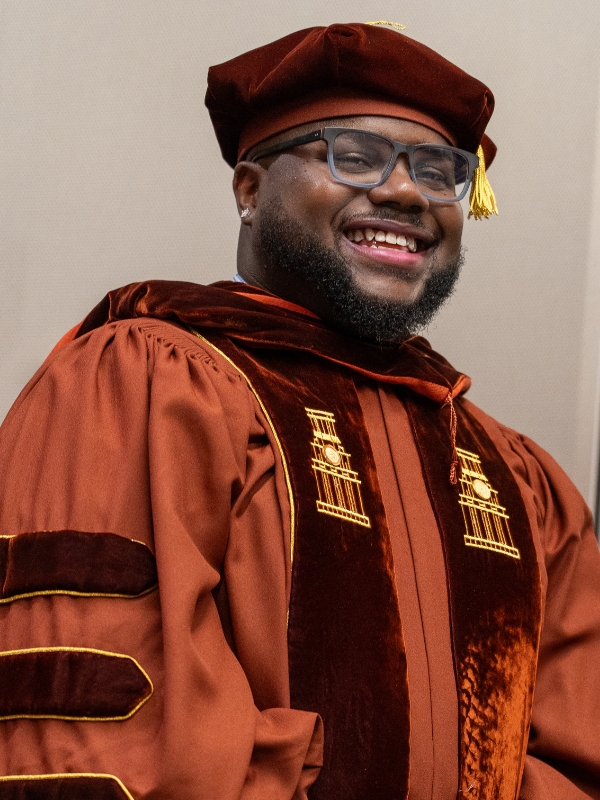
Ph.D. Graduate | Spanish Town, Jamaica
Research Labs: Resasco and Brennecke Groups
Q: Tell us about your time here, and how did you get involved at UT?
I became deeply involved in initiatives focused on mentorship, recruitment and building community within graduate education. One of the most meaningful experiences was serving as the department’s graduate recruitment co-chair in 2022, where I helped organize and execute events for the cohort that is now the department’s fourth-year students. Helping prospective students learn more about UT and creating an environment where they could envision themselves succeeding here was enjoyable.
I mentored talented, underrepresented minority undergraduate researchers interested in pursuing grad school as a graduate student mentor through UT Austin’s McNair Scholars Program. As a McNair alumnus myself, I understand the impact mentorship and representation can have. I know firsthand how important mentorship and representation can be in shaping a student’s confidence and career path.
I was involved with Graduates for Underrepresented Minorities (GUM) and served as the co-director of UT GAIN (Graduate and Industry Networking), an annual flagship event hosted by the Graduate Engineering Council which created opportunities for graduate engineering students across the Cockrell School to connect with industry leaders while also showcasing their research through poster presentations and a three-minute thesis.
Overall, my time at UT Austin has been incredibly rewarding. Beyond the technical and research training, it gave me opportunities to mentor others, build community, and contribute to programs that support the next generation of students and researchers.
Q: What’s next for you?
I am joining Dow as a senior research specialist in the North American Technical Service & Development (TS&D) team within the Packaging and Specialty Plastics and Hydrocarbons (PSP&H) business, located in Freeport, Texas. I’m excited for the opportunity to apply the problem-solving, research, and collaboration skills I developed here toward real-world industrial challenges and continue growing as a scientist and chemical engineer.
Q: How might your work change the world?
My doctoral research focused on advancing electrochemical CO2 reduction (CO2R) technology, which uses renewable electricity to convert captured CO2 emissions into valuable fuels and commodity chemicals. Instead of viewing CO2 solely as a waste product and harmful greenhouse gas, my work helps demonstrate how captured CO2 can be treated as an abundant chemical feedstock for creating more sustainable chemical manufacturing processes and supporting a circular carbon economy.
My experimental research specifically focused on developing a predictive framework to understand how the microenvironment surrounding a catalyst, particularly through electrolyte design, influences the efficiency and performance of CO2 conversion reactions, work that helps move electrochemical CO2 reduction technologies closer to practical industrial implementation.
In the long term, technologies like these could help reduce the carbon footprint of the petrochemical and manufacturing industries by enabling carbon to be continuously recycled rather than released into the atmosphere.
Q: Your most memorable moment at UT…
Walking across the stage at my doctoral graduation, hearing my name called, and being hooded by both of my research advisors in front of my family. That moment represented the culmination of years of hard work, sacrifice, and perseverance toward a dream I had carried with me since I was a little kid growing up in Jamaica.
Q: Best advice for preserving mental health / support while in ChE program?
Remember that graduate school is a marathon, not a sprint. At the McKetta Department of Chemical Engineering you are constantly surrounded by incredibly talented and high-achieving students who will naturally push and motivate you to strive for excellence. While that environment can be inspiring, it can also make it easy to feel like you always need to do more. Learning to say “no” is not a weakness, but rather a strength that shows self-awareness and maturity.
Set goals for yourself, maintain a healthy routine, and focus on steady progress rather than perfection. Be honest with yourself and others when you are struggling. Talk to the people you trust and confide in, whether it be friends, family, mentors, lab mates, or advisors. Being transparent about what is affecting you can make a huge difference, never feel like you must carry every challenge alone. Celebrate the small victories. Engineering is challenging, and those milestones matter. Sometimes success is not just publishing a paper or winning an award. Success can look like making it through a difficult semester, submitting a manuscript, presenting a poster or giving a talk at a conference, landing an internship or job, or simply stepping outside of your comfort zone to network and grow professionally. Taking time to acknowledge those moments helps remind you how far you’ve come.
Finally, view setbacks through the lens of growth rather than failure. Experiments fail, papers get rejected, and things will not always go according to plan. It is easy in those moments to question yourself, but failure more often is part of the learning process that shapes you into a better engineer, scientist, and person. What is meant for you will come with time, persistence, and continued growth.
Q: What will you miss most about The McKetta Department of Chemical Engineering?
I will miss the people and sense of community. Over the years, the department became much more than just a place where I conducted research and worked. Through the many departmental events and interactions, it became a support system filled with mentors, collaborators, friends, and undergraduate research mentees who continually challenged and encouraged me to grow.
I’ll especially miss the everyday interactions in both of my research labs, the brainstorming sessions with my lab mates, the in-depth conversations and exchange of research ideas with my advisors, and the collaborative environment that made even the most difficult research challenges feel rewarding. Overall, the McKetta Department created a space where, as a graduate student, I felt supported both professionally and personally, and that is something I will always value and carry with me throughout my career.