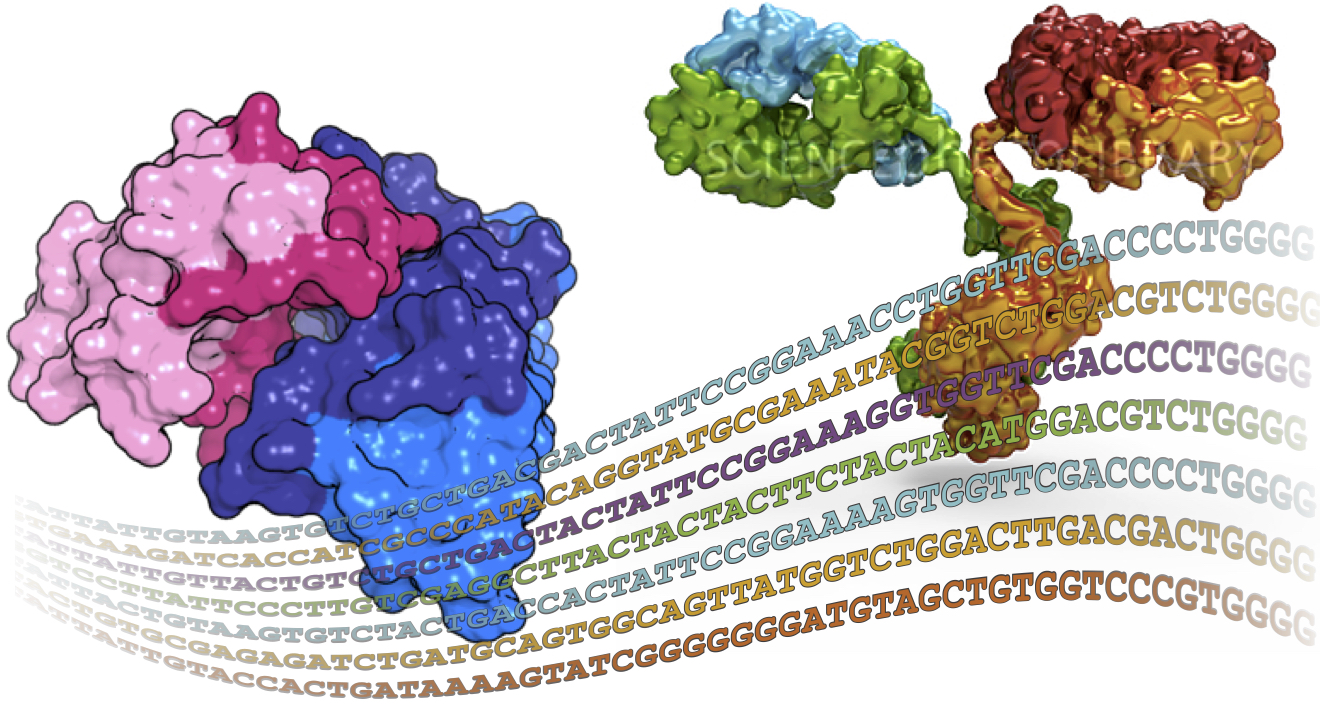
The Institute Joins the NIH Serological Sciences Network (SeroNet) for COVID-19
The Institute is now a member institution of the nation’s Serological Sciences Network (SeroNet) that the NIH has established for the characterization of the humoral immune response in COVID-19. Eight component biomedical research sites were selected to become Serological Sciences Centers of Excellence—making this the largest coordinated effort to study COVID-19 immunity in the U.S.
In collaboration with UNC Chapel Hill and Principal Investigators Shannon M. Wallet and Ralph S. Baric, who will lead the Center, the Institute will employ a set of unique experimental techniques for the molecular identification, relative quantitation, and functional assay of the secreted antibodies (IgG and IgA) which comprise the polyclonal response to SARS-CoV-2. The research shall include an examination of serological antibody repertoires in COVID-19 study subjects as well as in convalescent plasmas obtained from survivors.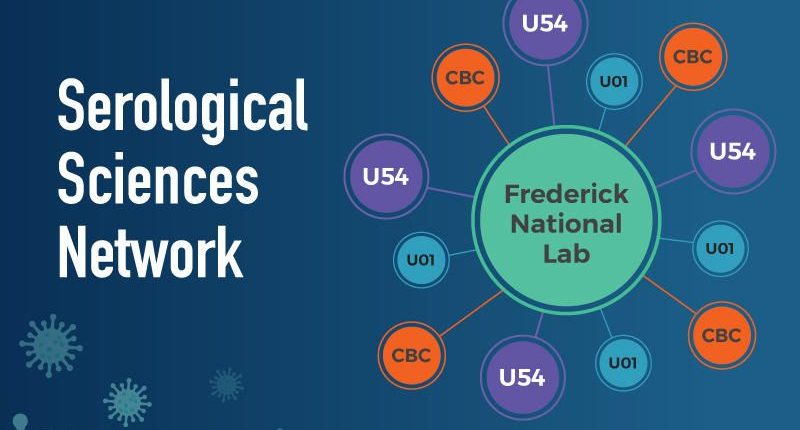
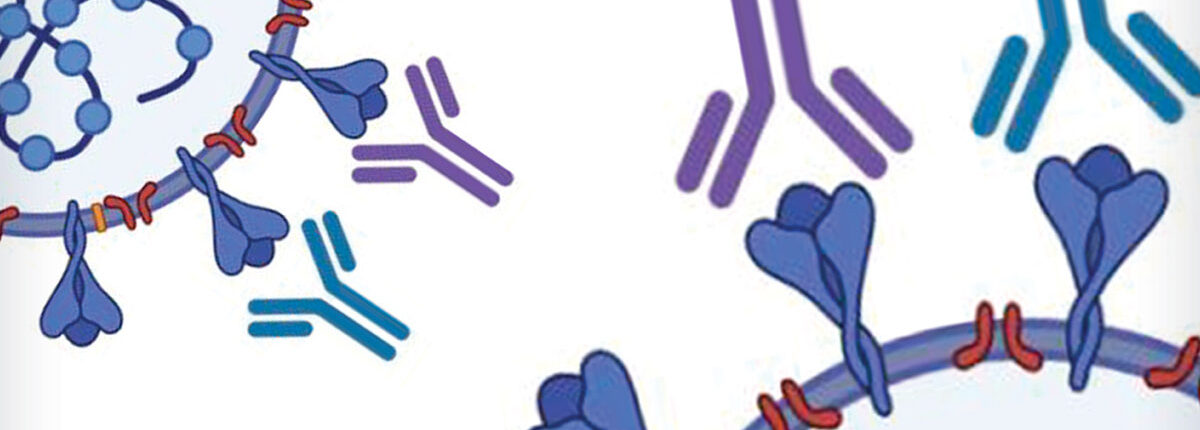
The Institute Develops Antibody Test for COVID-19 That is Sensitive, Specific and Scalable
The Institute Contributes to COVID-19 Vaccine Research
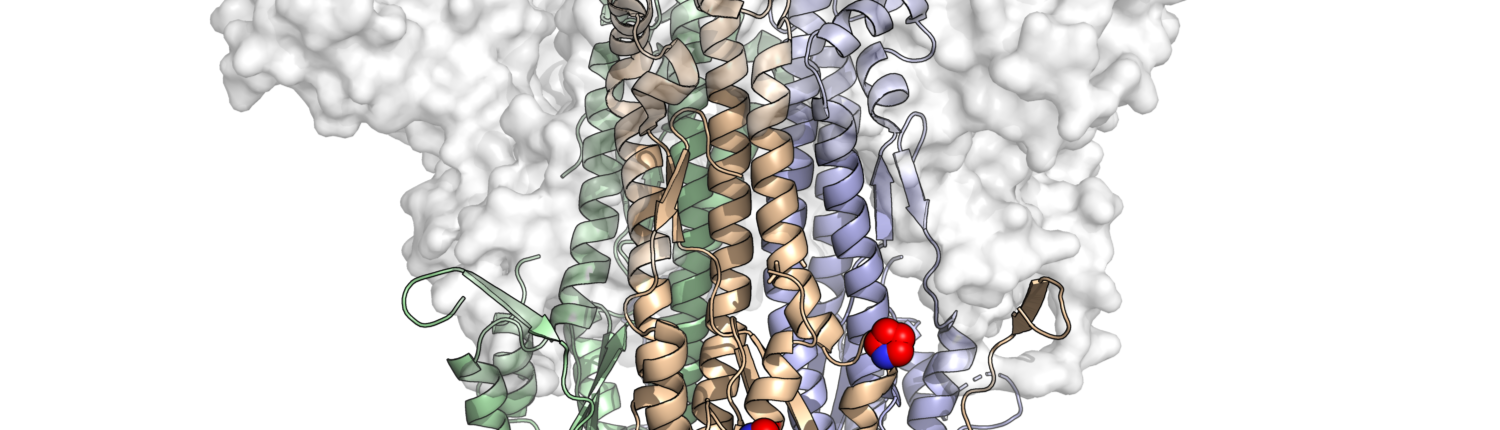
Institute members Drs. Lavinder and Ippolito were part of a scientific team at The University of Texas at Austin that has successfully redesigned a key protein from the SARS-CoV-2 coronavirus. The modification could enable much faster and more stable production of vaccines worldwide. This collaborative work was spearheaded by UT Austin professors Jennifer Maynard, Ilya Finkelstein, and Jason S. McLellan,
The Institute Contributes to COVID-19 Convalescent Plasma Therapy
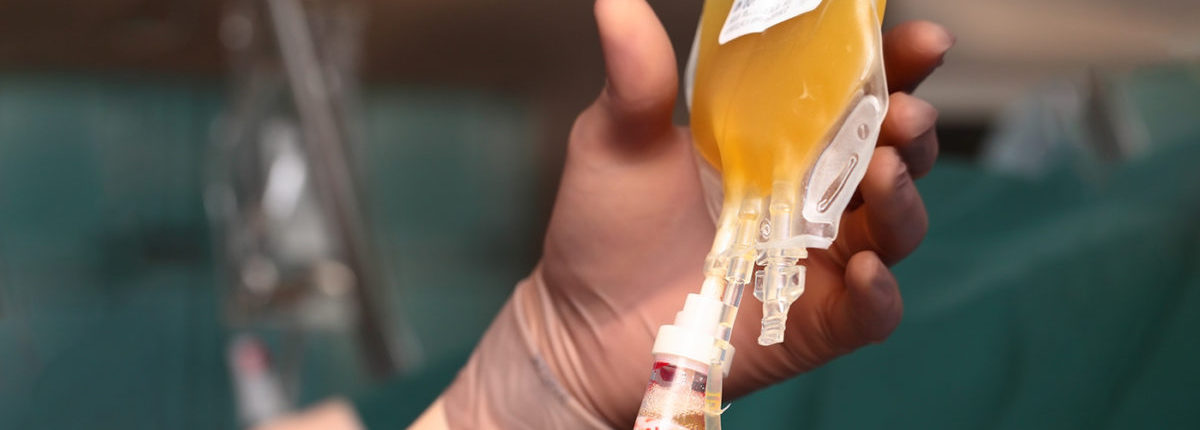
Institute members Drs. Ippolito and Lavinder, in collaboration with UT Visiting Scientist Dr. Jimmy Gollihar, developed a serological antibody test used by the lead investigators at Houston Methodist Hospital, Drs. Eric Salazar and Jim Musser, for treatment of critically ill COVID-19 patients. This publication marks the country’s first peer-reviewed study of convalescent plasma transfusion therapy for COVID-19.
The Institute Joins New Collaborative Influenza Vaccine Research Network (CIVICs)
Institute members Drs. Georgiou and Ippolito were recruited to become part of new collaborative research centers poised to develop the world’s first universal vaccine against influenza. The Collaborative Influenza Vaccine Innovation Centers (CIVICs) are spearheaded by U Georgia–St. Jude (Drs. Ted Ross and Stacey Schultz-Cherry), Duke University (Dr. Tony Moody), and Mt. Sinai–Emory U (Drs. Florian Krammer and Rafi Ahmed).
Research
Find out more about the Research projects currently active in the Georgiou group.
Highlights
Find out about features and highlights of the groundbreaking research from the Georgiou lab.
Contact
Have questions? See here for the methods of getting in contact with the Georgiou lab.

